
Spring Smile Tips
April 30, 2026
The Benefits of Straight Teeth Go Beyond Looking Good
September 19, 2026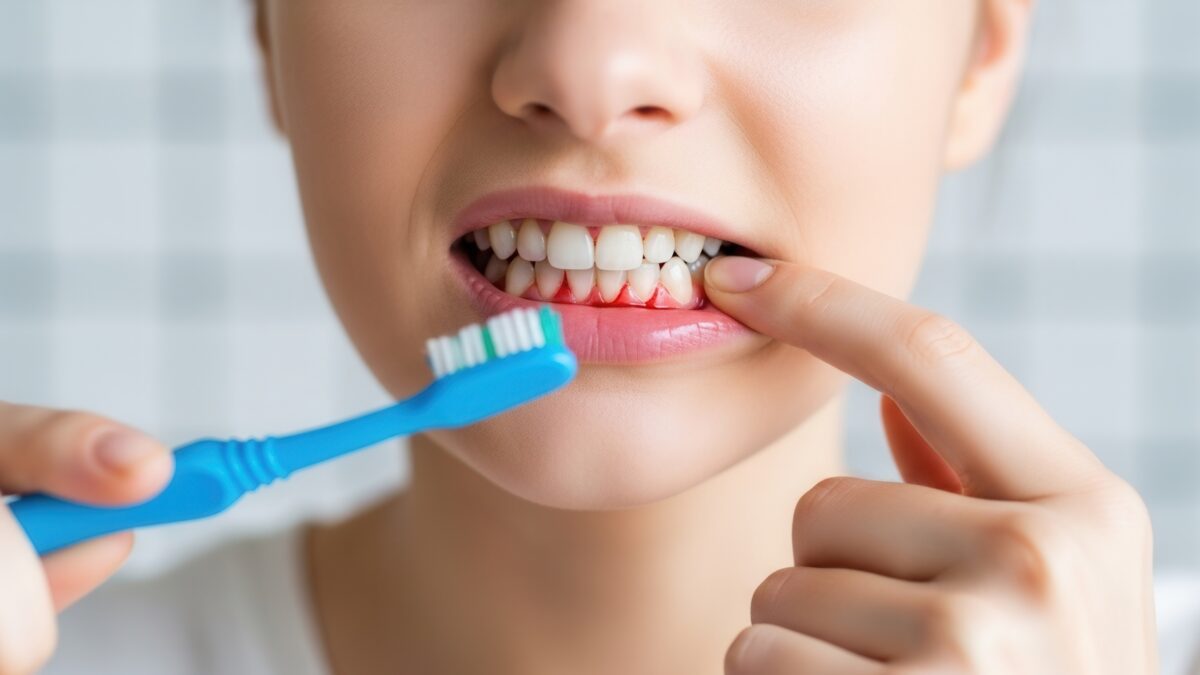
The growing conversation around “Ozempic Teeth” is creating new awareness about the connection between GLP-1 medications and oral health. While “Ozempic Teeth” is not currently recognized as an official dental diagnosis, dentists and healthcare providers are seeing more patients report symptoms such as dry mouth, gum inflammation, enamel erosion, tooth sensitivity, bad breath, and increased tooth decay.
In an article published by GoodRx it was noted that the medication itself may not directly “damage” teeth. However, some of the side effects associated with GLP-1 drugs can create an environment where oral health problems are more likely to develop.
Medications such as Ozempic, Wegovy, Mounjaro, and similar drugs are commonly used for diabetes and weight management. As their use becomes more prevalent, it is important for patients to understand how these medications may affect their teeth and gums — and what they can do to protect their smile.
One of the biggest concerns is dry mouth, also known as xerostomia. Saliva plays an important role in keeping the mouth healthy. It helps neutralize acids, wash away food particles and bacteria, and protect tooth enamel. When saliva production decreases, bacteria and acids can remain in the mouth longer, increasing the risk of cavities, gum irritation, bad breath, and sensitivity.
Another concern is nausea, acid reflux, and vomiting, which are commonly reported side effects of GLP-1 medications. When stomach acid comes into contact with the teeth, it can weaken enamel and irritate gum tissue over time. This may lead to enamel erosion, tooth sensitivity, and a higher risk of decay.
Hydration is also important. Many patients taking GLP-1 medications eat and drink less because their appetite and thirst signals may change. Drinking less water can make dry mouth worse. Patients should try to sip water throughout the day and limit acidic drinks such as soda, energy drinks, and frequent coffee.
The good news is that many of these oral health concerns can be minimized with a strong preventive routine.
To help keep your teeth healthy while taking Ozempic or a similar medication:
- Brush your teeth twice a day and floss daily. Brushing with fluoride toothpaste and flossing twice a day helps reduce the harmful bacteria that contribute to tooth decay and gum disease.
- Drink plenty of water. Staying hydrated helps support saliva flow and reduces the effects of dry mouth.
- Limit sugary and acidic foods and drinks. Candy, soda, sports drinks, energy drinks, citrus-heavy drinks, and frequent snacking can increase the risk of cavities and enamel erosion. Go for low acid drinks and healthy snacks.
- Rinse your mouth after vomiting. If you vomit, rinse your mouth with water right away instead of brushing immediately. This helps clear damaging acids from your teeth without spreading them across softened enamel.
- Keep regular dental appointments. Routine dental visits enable your dentist and hygienist to catch early signs of dry mouth, gum inflammation, enamel wear, sensitivity, or decay before they become more serious.
Recommended dental and gum treatments may include more frequent professional cleanings, periodontal evaluations, prescription-strength fluoride toothpaste, saliva-enhancing rinses, dry mouth products, antibacterial rinses, nutritional counseling, night guards if teeth grinding develops, and early cavity treatment.
Patients should let their dental team know if they are taking Ozempic, Wegovy, Mounjaro, or another GLP-1 medication. They should also report symptoms such as a dry or sticky feeling in the mouth, new sensitivity, bleeding gums, persistent bad breath, or an increase in cavities.
The takeaway is simple:
As GLP-1 medications become more popular, dental care becomes even more important. With good home care, hydration, regular dental visits, and early intervention, many oral health complications can be reduced before they lead to permanent dental damage. Schedule your dental check-up today by calling us at 973-335-9432 or online by clicking here.